
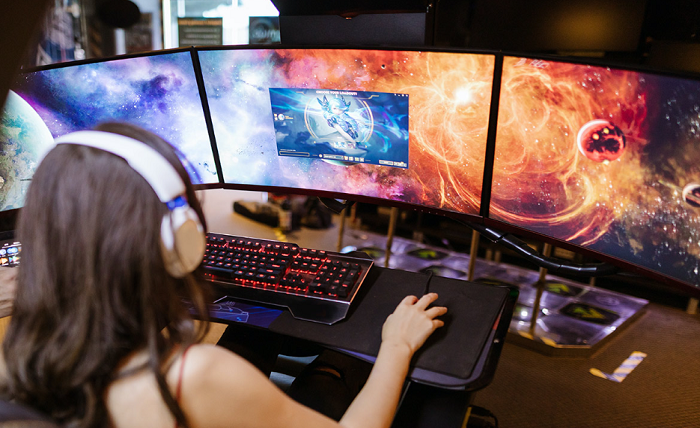
The global sports industry has long been dominated by football, basketball, cricket, tennis, and other established competitions. Stadiums filled with passionate supporters, major television contracts, and international tournaments have helped traditional sports attract billions of viewers. However, the rapid growth of competitive gaming is changing the entertainment landscape. Esports has moved from a niche hobby into a global industry with professional players, major sponsors, and massive online audiences.
This shift raises an important question: is the global viewership gap between esports and traditional sports finally closing? While traditional competitions still maintain a considerable advantage, changing audience habits and digital technology suggest esports is gaining ground faster than ever.
The Rapid Rise of Esports Audiences
Competitive gaming has existed for decades, but esports experienced significant growth alongside high-speed internet and livestreaming platforms. Games can now be broadcast instantly to audiences across different countries without relying on traditional television networks.
Major tournaments attract millions of viewers who watch professional teams compete for significant prize pools. Unlike many physical sports, esports competitions are naturally designed for digital distribution. Fans can follow matches using smartphones, computers, tablets, and smart televisions.
This accessibility has helped competitive gaming develop strong communities. Younger audiences, in particular, are comfortable watching livestreams and interacting with other viewers through online chats and social media. The result is a highly engaged audience that does more than simply watch a competition.
The broader online entertainment ecosystem also encourages users to explore various digital platforms, including gaming communities and names such as sbobet88, as audiences increasingly spend their leisure time in connected digital environments.
Traditional Sports Still Command Enormous Attention
Despite the impressive expansion of esports, traditional sports remain extremely powerful. Global football tournaments can attract extraordinary audiences, while cricket competitions generate massive interest throughout Asia and other regions. Basketball, tennis, motorsport, and major international sporting events also maintain loyal global fan bases.
Traditional sports benefit from history and cultural significance. Many clubs and competitions have existed for generations. Supporters often inherit their loyalty from family members, creating emotional connections that are difficult for newer entertainment industries to reproduce immediately.
Physical sporting events also offer a unique stadium experience. Thousands of fans gathering in one location create an atmosphere that remains a major part of sports culture. Esports tournaments can fill arenas, but the scale and frequency of traditional sporting events still provide a substantial advantage.
Television broadcasting agreements also continue to generate huge revenue. However, sports organizations increasingly recognize that younger viewers may prefer highlights, short videos, and livestreaming rather than watching an entire match on conventional television.
Younger Generations Are Changing Viewing Habits
Demographics represent one of the strongest advantages for esports. Competitive gaming audiences often include younger viewers who grew up with smartphones, multiplayer games, and social platforms.
These viewers expect entertainment to be interactive. They want to comment, share clips, follow individual players, and communicate with online communities while watching an event. Esports platforms naturally support these behaviors.
Traditional sports organizations are responding by strengthening their digital strategies. Clubs, leagues, and athletes now publish behind-the-scenes content, livestream selected activities, and create short-form videos designed for mobile audiences.
Digital entertainment preferences are also becoming more diverse. A single user may watch an esports tournament, follow football highlights, play mobile games, and explore online entertainment options such as slot depo 5rb within the same broader digital lifestyle. The boundaries between sports, gaming, and interactive entertainment are increasingly less rigid.
Global Accessibility Gives Esports an Advantage
Traditional sports often require expensive infrastructure. Professional football needs stadiums and training facilities, while motorsport demands specialized equipment and significant financial investment.
Esports has different barriers. Professional gaming still requires powerful technology, training, and organizational support, but audiences can watch competitions from almost anywhere with a reliable internet connection.
This creates opportunities in regions where access to major physical sporting events may be limited. Fans do not need to travel to a stadium or subscribe to a specific television package if a tournament is available through an online streaming service.
Gaming titles can also develop international communities quickly. Players from different countries understand the same competitive rules and follow the same professional teams. This digital-first structure gives esports strong potential for continued global expansion.
Sponsorship and Investment Are Accelerating Growth
Commercial investment is another sign that esports is becoming mainstream. Technology companies were among the earliest major sponsors, but brands from fashion, automotive, finance, and consumer industries have also entered the market.
Sponsors are particularly interested in younger digital audiences who may be difficult to reach through conventional advertising. Esports tournaments provide opportunities for branded content, livestream promotions, team partnerships, and influencer campaigns.
Traditional sports still generate significantly larger commercial revenues in many markets. Nevertheless, esports organizations are developing more sophisticated business models. Media rights, merchandise, sponsorships, ticket sales, and digital content are becoming increasingly important revenue sources.
Professional players have also become recognizable online personalities. Many maintain large social media audiences and livestream outside official competitions, allowing fans to develop stronger connections with individual competitors.
Are Esports and Traditional Sports Really Competing?
The discussion does not necessarily need to position esports and traditional sports as direct enemies. Many fans enjoy both. Someone can support a football club while also following a professional gaming team.
In fact, traditional sports organizations have increasingly entered esports. Football clubs and other sporting brands have created competitive gaming divisions or partnered with esports organizations. These collaborations demonstrate how the two industries can overlap.
Technology may further reduce the distinction. Virtual reality, advanced broadcasting tools, real-time statistics, and interactive viewing experiences could influence both sectors. Traditional sports are becoming more digital, while esports events are adopting professional production standards associated with major sporting broadcasts.
The Viewership Gap Is Narrowing, but Not Closed
Esports has not yet replaced traditional sports as the dominant form of global competitive entertainment. Major football, cricket, and international sporting events continue to attract enormous audiences and benefit from decades of cultural influence.
However, the gap is becoming more interesting. Esports is growing within a digital environment perfectly suited to modern viewing habits. Its younger audience, international accessibility, interactive communities, and expanding commercial investment provide strong foundations for future development.
Rather than asking whether esports will completely defeat traditional sports, the better question may be how both industries will coexist. Global audiences are no longer limited to a single form of entertainment. As digital viewing continues to evolve, esports is increasingly earning a place alongside the world’s most established sporting competitions.
The global viewership gap has not completely disappeared, but competitive gaming is no longer watching traditional sports from the sidelines. It has become a serious player in the worldwide battle for audience attention.