
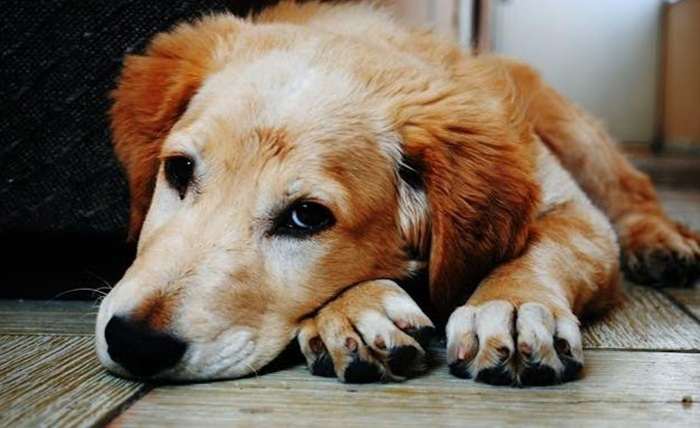
Every dog has their own natural scent, but when that smell crosses the line from “eau de dog” to something truly unpleasant, it’s usually trying to tell you something. Many pet owners chalk up a strong odor to just being part of life with a dog, but persistent or powerful smells often point to health issues or hygiene problems that need addressing. Getting to the bottom of what’s causing your dog’s odor helps you tackle the problem head-on and keeps your furry friend both healthy and comfortable. Maybe you’ve noticed a sudden shift in how your dog smells, or perhaps you’ve been battling a chronic odor issue for a while now.
Skin Conditions and Infections
Skin problems rank right up there as one of the top reasons dogs develop an unpleasant smell. Bacterial infections, usually courtesy of organisms like Staphylococcus, create a musty or yeasty odor that gets worse when the skin stays damp. Yeast infections involving Malassezia yeast are particularly notorious for producing that distinctive corn chip or bread-like smell that many dog owners find especially off-putting. These conditions love to set up shop in spots where moisture hangs around, think skin folds, between those adorable toe beans, and around the ears.
Dental Disease and Oral Health Issues
Bad breath in dogs gets brushed off as normal way too often, but when that halitosis sticks around, it’s frequently waving a red flag about serious dental problems that go way beyond just smelling bad. Periodontal disease affects roughly 80% of dogs once they hit three years old, developing as plaque and tartar build up on teeth and lead to inflamed gums swarming with bacteria. As these bacteria throw themselves a party in your dog’s mouth, they release sulfur compounds that create that characteristic foul smell everyone associates with dental disease. Without treatment, these oral infections can march right down to the tooth roots and jawbone, causing pain, tooth loss, and potentially giving bacteria a highway into the bloodstream.
Ear Infections and Accumulated Debris
That distinctive smell wafting from your dog’s ears usually means there’s an infection brewing or an excessive buildup of wax, debris, and moisture in the ear canal. Dogs sporting floppy ears or those who love to swim face higher odds of ear troubles because their ear canals don’t get a chance to dry out properly, creating a warm, moist environment where bacteria and yeast absolutely thrive. Ear infections typically come with either a sweet, yeasty odor or a foul, putrid smell, depending on whether you’re dealing with fungal or bacterial invaders. Beyond the smell, infected ears often look red and inflamed, and your dog might shake their head like they’re trying to dislodge something, scratch at their ears constantly, or walk around with their head tilted to one side.
Anal Gland Problems
Here’s something that catches many pet owners off guard, anal gland issues rank among the most common sources of seriously unpleasant dog odor. These small sacs sitting on either side of your dog’s anus normally release a pungent, fishy, smelling secretion during bowel movements, which serves as a scent marker for communicating with other dogs. When these glands get impacted, infected, or abscessed, though, they produce an overwhelmingly strong odor that saturates your dog’s rear end and can even transfer to furniture or bedding where they sit. Dogs struggling with anal gland problems often scoot their bottoms across the floor, obsessively lick their rear area, or show clear signs of discomfort when sitting or having a bowel movement.
Poor Grooming and Coat Maintenance
Skipping regular grooming routines represents another major player in the persistent dog odor game, particularly for breeds with thick, double coats or those whose skin cranks out extra oil. When dogs don’t get bathed regularly or their coats don’t receive proper maintenance, natural oils, dead skin cells, environmental dirt, and trapped moisture pile up in their fur, creating an increasingly strong smell as time goes on. Dogs who spend a good chunk of time outdoors may develop that “wet dog smell” that refuses to quit even after their coat dries, thanks to bacteria breaking down organic compounds in their fur. Certain breeds like Basset Hounds, Bloodhounds, and Cocker Spaniels naturally produce more skin oils, which means they need more frequent bathing and grooming to keep odor under control. Dogs with skin folds need extra attention to prevent moisture and bacteria from throwing parties in those crevices. Regular brushing helps spread natural oils around, removes dead hair and dander, and lets air circulation reach the skin. That said, bathing too often can strip away essential oils and trigger skin problems, so finding the right balance for your dog’s specific breed and lifestyle matters. Professional services like pet grooming in Brennan Station provide thorough cleaning, proper coat trimming, and can spot any skin or coat issues that might be feeding into odor problems.
Conclusion
Getting a handle on what causes dog odor puts you in the driver’s seat when it comes to keeping your canine companion smelling fresh and feeling healthy. While some natural dog scent comes with the territory, persistent or strong odors typically signal problems ranging from minor hygiene hiccups to serious medical conditions that need veterinary attention. By sticking to regular grooming routines and keeping an eye out for signs of skin infections, dental disease, ear troubles, or anal gland complications, you can tackle odor issues before they spiral out of control. Don’t ignore sudden changes in how your dog smells, they often serve as early warning signs of health problems that respond much better to prompt treatment.