
Imagine a situation where someone suddenly collapses in front of you. Your heart races, and every second feels like an eternity.
In those critical moments, knowing CPR & First Aid can mean the difference between life and death. These lifesaving skills empower you to act swiftly and confidently, ensuring that you can help those in need when every second counts.
The Importance of CPR & First Aid Training
Understanding how to perform CPR (Cardiopulmonary Resuscitation) and basic first aid is essential for everyone, especially young people. Knowing how to respond not only equips you to save lives but also gives you the confidence to handle emergencies effectively.
What is CPR?
CPR is a lifesaving technique used when someone’s heart stops beating or they stop breathing. The technique uses chest compressions and rescue breaths. This keeps blood flowing and provides oxygen until help arrives.
It’s easy to learn and can be performed by anyone, regardless of age. It is essential to call 911 before starting CPR to get professional help coming. Even if you are unsure about the rescue breaths, doing chest compressions can still help the victim.
Understanding First Aid
First aid refers to the immediate assistance given to someone who has an illness or injury. Whether it’s treating a cut, applying a bandage, or helping someone who has fainted, first aid skills are crucial. Knowing the basics allows you to care for others while waiting for medical professionals.
Common First Aid Skills to Learn
Among the various first aid skills, some are particularly important:
- How to treat minor cuts
- Recognizing signs of a heart attack
Being familiar with these skills means you can provide help when it’s needed most. In a recent survey carried out by the American Heart Association, 70% of heart attack victims received assistance from bystanders who had learned CPR & First Aid. This shows that your training can save lives.
Benefits of Training
Learning CPR & First Aid provides numerous benefits beyond just the ability to save lives. Builds confidence in your ability to help others in emergencies.
Improves reaction time in critical situations. Teaches you how to stay calm under pressure. This can enhance your resume, especially if you plan to work with children or in health-related fields.
How to Get Started
If you’re interested in becoming trained in these vital skills, there are many resources available. You can sign up for classes at local community centers, hospitals, or through organizations like the Red Cross. Many of these courses offer hands-on experience and even include a cpr and first aid certification at the end of the program.
What to Expect in a Training Course
During training, you’ll learn the basics of CPR & First Aid in a friendly and supportive environment. Instructors will guide you through scenarios that may occur in real life.
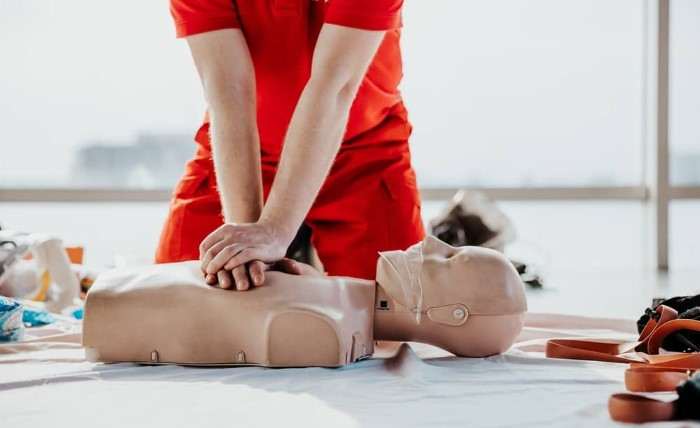
Performing chest compressions on a mannequin. Using an automated external defibrillator (AED). Identifying signs and symptoms of various emergencies.
This hands-on practice will help reinforce your knowledge and boost your confidence, making you ready for any situation.
Your Role in Emergency Situations
Learning CPR & First Aid is not just about mastering techniques; it’s about becoming a lifesaver when it matters most. Being prepared means you can act decisively and help those in need, creating a safer community. Whether you aspire to become a first responder or simply want to be able to help out during emergencies, getting trained in these vital skills is a smart choice.
Take the first step today and consider signing up for a course near you!